Ransomware is one of the most talked-about cyber threats globally, and Asia is no exception. Yet even as attacks rise sharply, many organisations still treat ransomware recovery like a technical afterthought. The outcome? Confusion, delays, and unnecessary disruption long before systems are restored.
To understand why this happens, we need to look beyond the headlines and into the way organisations approach ransomware recovery not just as a concept, but also a plan and a business outcome.
The threat landscape in Asia is growing
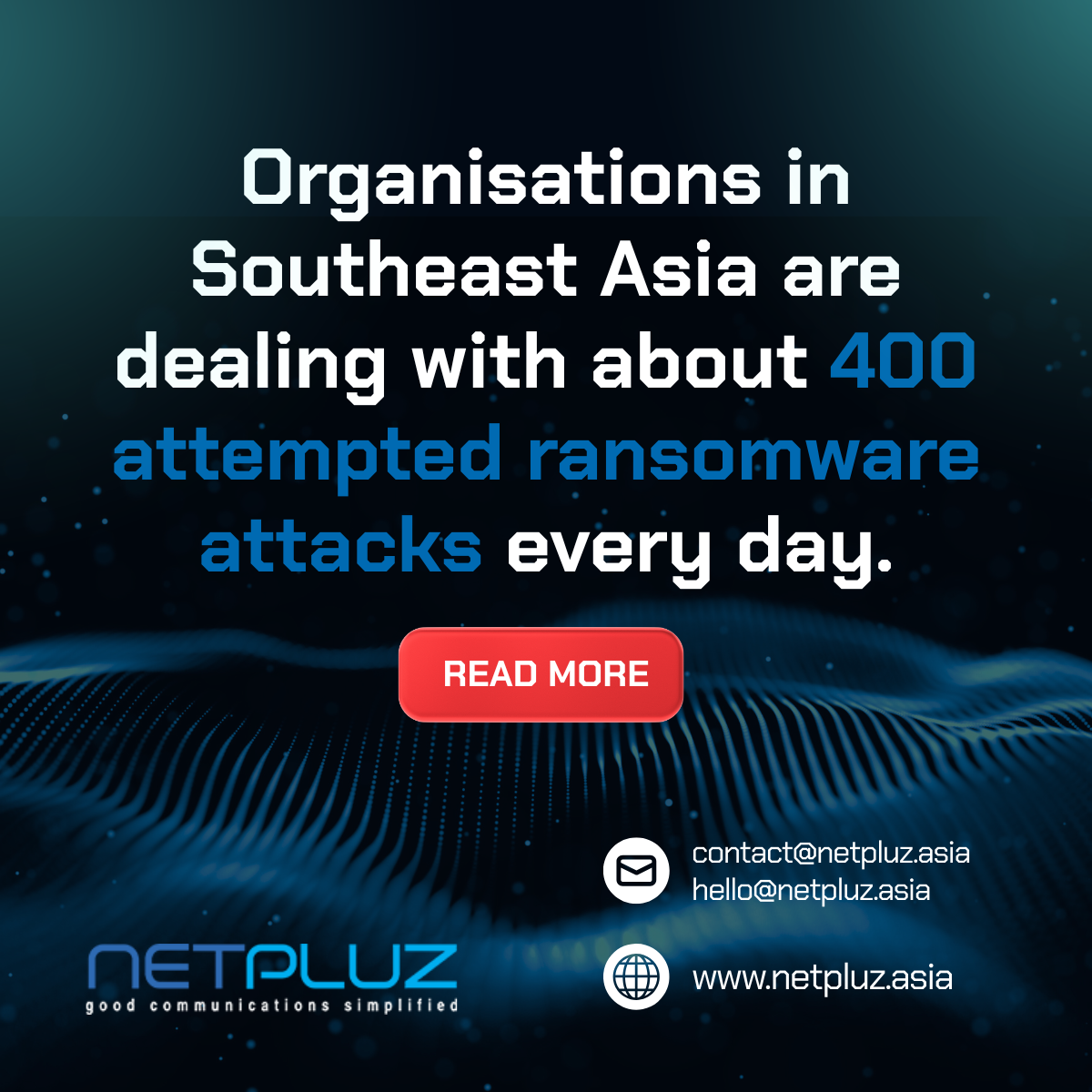
In recent years, ransomware activity in the Asia region has shifted from occasional nuisance to everyday risk. Reports from 2024 show organisations across Southeast Asia experienced roughly 135,000 attempted ransomware attacks, an average of about 400 per day, with countries like Indonesia, Vietnam, and the Philippines among the hardest hit.
Data from 2025 also points to an escalation across Asia overall, with approximately 660 publicly disclosed ransomware incidents in the region which is more than twice the previous year.
These figures underscore a simple reality: ransomware is no longer fringe or rare in Asia, and the volume of attacks makes recovery planning more than just a technical concern. It has also become a strategic imperative.
That makes the widespread misunderstanding around ransomware recovery all the more costly.
The discussion starts too late
Most ransomware conversations begin at the point of detection or containment. Usually, at the moment when something has gone wrong. But ransomware recovery doesn’t start there. It starts much earlier, in how recovery is defined and owned.
Too many organisations treat ransomware recovery as a tick-box exercise: patch systems, restore backups, get operations running. This narrow view creates conversations that focus on short-term restoration instead of long-term readiness.
As a result, when systems are compromised, teams are left improvising rather than executing a rehearsed plan. Recovery becomes a negotiation instead of being a coordinated response.
Restoration is not the real outcome
A core reason ransomware recovery discussions fail is that recovery is often reduced to getting systems back online. But restoration, the bringing of servers and files back, is only part of the story.
True ransomware recovery means being confident enough to resume business operations without fear of another setback. It means ensuring data integrity, validating that services are reliable and restoring trust across internal and external stakeholders.
When planning focuses only on the technical layer, organisations miss the human and operational layers. This gap often shows up after restoration: teams hesitate to resume activities, leaders delay sign-offs and uncertainty slows progress far more than the technical work itself.
Ransomware recovery usually does not succeed not because of a lack of tools, but because of unclear expectations and poor alignment.
Misframing risk from the start
Another reason ransomware recovery falters is how risk is framed. Many organisations frame ransomware risk through the lens of likelihood: how likely is an attack? How often does phishing occur? Which vulnerabilities are unpatched?
While these questions matter, focusing risk only on attack probability diminishes recovery thinking. What organisations really struggle with during an incident isn’t just detection, but how long it takes to be confident and operational again.
Recovery risk should be understood in terms of disruption and not just breaches. Longer downtime, slower decisions and fragmented leadership all increase organisational risk far more than a single blocked phishing email.
Accountability blurs when crisis hits
Under normal conditions, roles and responsibilities in an organisation are clear. During a ransomware crisis, they often blur. If recovery ownership isn’t explicitly named ahead of time, momentum stalls.
Security teams may focus on neutralising the threat, IT may prioritise stability and business leaders may push for speed. But without a shared understanding of who will make final recovery decisions, teams defer to each other. That delay becomes downtime.
This lack of accountability is a common thread in ransomware recovery failures and a human factor that technology alone can’t fix.
Confidence is a critical, overlooked factor
Recovery is more than just a capability but the confidence in that capability. Confidence is what allows your teams say “we are ready” and press forward. But it rarely gets direct attention in planning.
When recovery conversations don’t clarify how confidence will be achieved, including through verification, cross-team sign-off and shared criteria, that’s when hesitation creeps in. Each delay accumulates into hours or days of lost productivity.
Ransomware recovery suffers when organisations assume confidence will follow restoration, instead of intentionally building it into the process.
Metrics matter more than you realise
Another subtle failure point is how success is measured. Setting high-level recovery targets (e.g. restore by end of day) is not enough. These goals may look good on paper, but they often don’t reflect the complexity of real systems under stress.
Meaningful metrics should be realistic, observable and aligned with operational reality. Without that, teams may believe they are prepared, only to discover they aren’t when it counts.
The real outcome: uncertainty, not readiness
When these gaps layer on each other, the outcome is predictable. Recovery takes longer than expected. Teams freeze. Leadership second-guesses decisions. Stakeholders lose confidence.
This doesn’t always look like outright failure. Systems may eventually return to service. Data may be restored. Yet the extended uncertainty becomes the real cost, like eroding trust, stretching budgets and weakening resilience for future incidents.
Shifting the conversation toward meaningful recovery
The solution isn’t adding more tools or running emergency drills alone. It’s reframing discussions so ransomware recovery is treated as a strategic business outcome.
That means:
- Defining what success looks like, in business terms, not technical terms.
- Establishing clear ownership and decision rights for recovery.
- Building confidence through measured checkpoints and shared criteria.
- Choosing metrics that reflect operational challenges, not just technical goals.
When ransomware recovery is planned this way, organisations move from reacting under pressure to executing with purpose.
Why it matters more in Asia and beyond
With ransomware activity growing across Asia, the conversation about ransomware recovery can’t lag behind. In a region where incidents have doubled and daily attack attempts are measured in the hundreds, organisations must treat recovery as an intrinsic part of risk management and not an optional add-on.
By reframing ransomware recovery as a coordinated business outcome, your teams can close the gap between preparation and reality. That’s how organisations stop being surprised by ransomware incidents and start being ready for them, long before the first byte is encrypted.