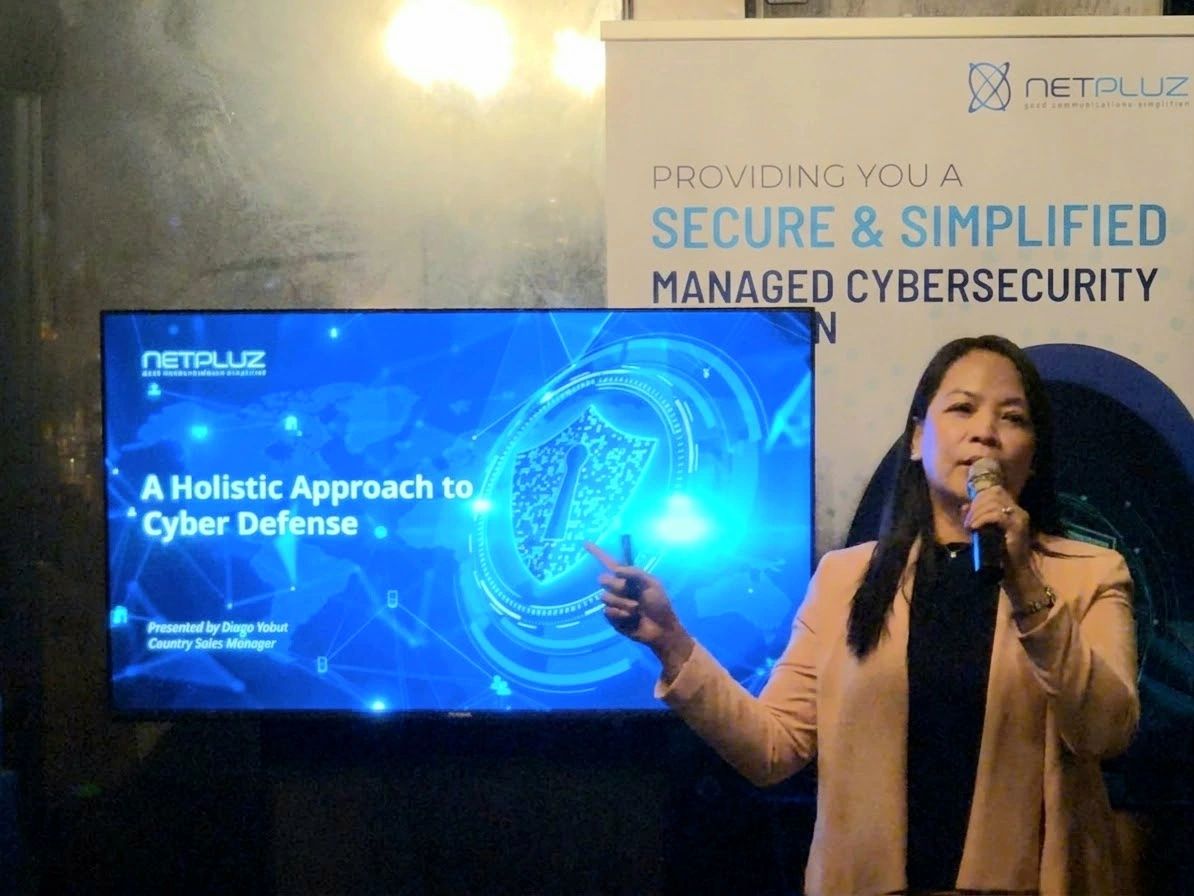
Every month, IT leaders walk into boardroom meetings armed with detailed slide decks. They present charts showing blocked malware attempts and firewall pings along thousands of routine network events. But while the technical team sees a clear record of hard work and active defence, the executive board sees a sea of technical jargon that feels completely disconnected from actual company revenue.
This disconnect creates a dangerous communication barrier inside modern organisations. When leadership views cybersecurity as a confusing technical expense rather than a core business protector, they naturally look for ways to trim line items. True business resilience depends on your ability to bridge this gap. You must learn how to explain technical perimeter defense risk metrics in terms of real financial liability, operational continuity and brand reputation.
The problem with traditional IT metrics
Technical teams are trained to measure system health using raw operational activity. They track uptime percentages, patch frequency and total volume of intercepted digital traffic. While these numbers are critical for daily network maintenance, they fail to communicate actual business value to non-technical directors.
A board of directors operates on things like risk management, compliance liability, and financial returns above anything else. So, telling a board that your firewall blocked ten thousand probes this week does not give them actionable insight. It simply tells them that the internet is noisy and that automated bots exist.
When you fail to translate technical perimeter defence risk metrics into clear operational impact, critical security gaps get ignored during budget planning. Silent network anomalies remain unmanaged because nobody outside the IT department understands the potential financial cost of a real intrusion.
Shifting from activity to financial impact
To capture boardroom attention, you must change how you frame risk data from the start. Move away from describing what your security tools do on a daily basis and start explaining what those tools protect for the business.
Instead of presenting long spreadsheets of unmanaged log anomalies, convert those digital signals into potential operational downtime costs. If a primary database server goes offline for four hours during peak operational windows, what is the exact cost in lost sales, delayed orders and idle staff payroll? Presenting security data through this financial lens turns a technical upgrade request into a simple business calculation.
When you explain technical perimeter defence risk metrics as financial safeguards, executive conversations shift instantly. Security moves from being an expensive black box into an essential operational insurance policy that keeps your core revenue streams running smoothly.

Uncovering the hidden risks of unmanaged logs
Modern corporate networks generate massive amounts of daily background data. Every login attempt, file transfer and even small background system update leaves a distinct digital trail. The real danger to a company is rarely a sudden software failure. The true threat lies in the subtle log anomalies that go completely unmanaged because no one is actively connecting the dots.
An unusual late-night login from an external contractor account might look like routine overtime work on a surface-level report. However, if that account suddenly starts browsing sensitive human resource folders or central financial records, it signals a massive operational vulnerability.
If your technical team lacks the tools to evaluate these context clues in real time, those subtle warnings remain buried in daily noise. When you explain technical perimeter defence risk metrics to executive leadership, emphasise that unmanaged log anomalies are early financial warning signs. Catching an unusual connection baseline early prevents a minor configuration slip from turning into a public data breach.
The true financial cost of delayed response times
In the world of corporate network protection, time is your most expensive variable. When a perimeter gap goes unnoticed, every hour an intruder spends inside your network increases your final recovery costs exponentially.
Board members understand the concept of compounding interest and they must understand that cyber risk compounds in the exact same way. If a digital intruder gains entry through an unverified vendor profile, they do not launch an attack immediately. They quietly map out your central network, locate your primary backup directories and look for high-value client folders.
When you present your perimeter defence risk metrics to executive directors, frame your technology investments around response velocity. Show them that active monitoring tools reduce your containment window from months down to minutes. Explaining how rapid threat isolation saves hundreds of thousands of dollars in forensic investigation fees makes your security budget request completely undeniable.
Translating network health into boardroom terms
Communicating effectively with non-technical board members requires simplifying your reporting structure without losing critical detail. You can achieve this balance by grouping complex technical indicators into three executive categories.
First, focus on operational exposure time. Explain how quickly your systems detect and contain an unauthorised user connection before it touches your primary database. Shorter exposure time directly reduces potential business interruption costs and keeps your operational workflows moving forward.
Second, highlight compliance liability and legal exposure. Show how unpatched perimeter gaps create immediate financial risks under national data privacy regulations. Board members understand legal penalties and customer trust damage far better than server patch codes or technical vulnerability scores.
Finally, present your overall risk posture using a unified, single-pane architecture view. Showing leadership a clean, integrated view of firewall policy, network visibility and threat alerts across every environment proves that your defence strategy is proactive, structured and focused on business growth.
Aligning security with corporate expansion
Cybersecurity should never act as a slow bottleneck to company expansion. When an organisation scales up operations, it continuously adds new digital tools, remote employees and third-party vendor connections. Every new addition expands your digital footprint and creates potential entry points for bad actors.
If your executive board views perimeter defence as a passive cost center, they will naturally resist spending money on ongoing identity verification tools. However, when you effectively explain technical perimeter defense risk metrics during strategic planning, leadership understands that strong perimeter controls actually enable faster business growth.
Clear risk metrics give your leadership team the confidence to adopt new cloud services and expand remote work programs safely. Proper security controls allow your business to innovate and capture market share without taking on unmanaged operational liabilities.
Taking the next step in executive security governance
Bridging the communication divide between your technical operations and executive leadership takes deliberate effort, clear frameworks and the right reporting tools. You do not need to rewrite your entire security architecture overnight, but you must start presenting your network telemetry as meaningful business risk profiles.
If your team struggles to convert complex system logs into clear executive insights, external guidance can help streamline the transition. We invite you to schedule a Time Out Clinic with our technical team. During this focused session, our security architects will help you evaluate your network visibility gaps, simplify your risk reporting, and build a single-pane framework that communicates real business value directly to your board.